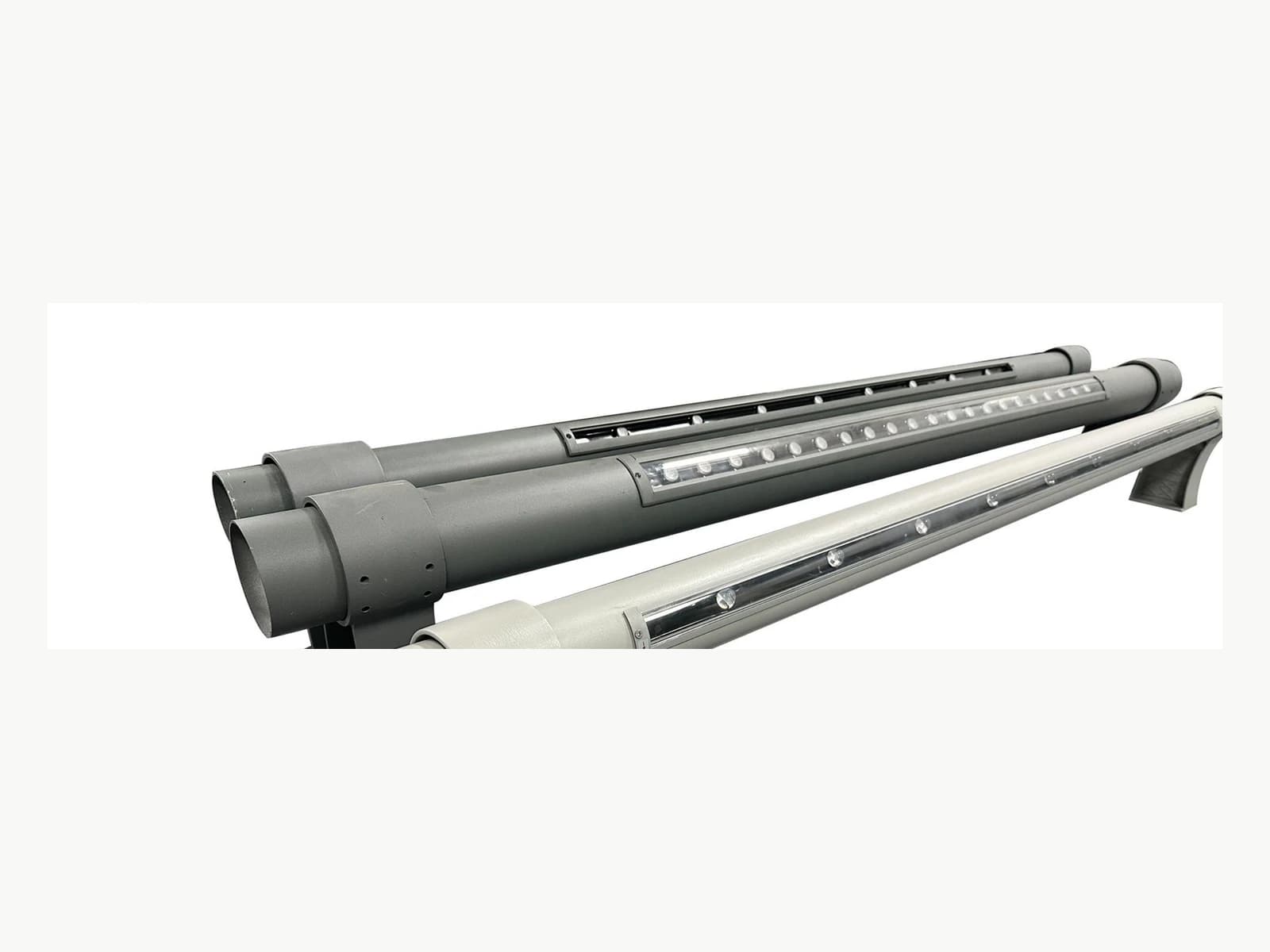
YY-HLD-G108
Street LightingBridge Guardrail Linear Light
Authorized bridge or circulation-lighting model for project-based configuration review.

Outdoor family / Road geometry and distribution
Set the road class, pole geometry, spacing, distribution, control and approval criteria before comparing street-light candidates.
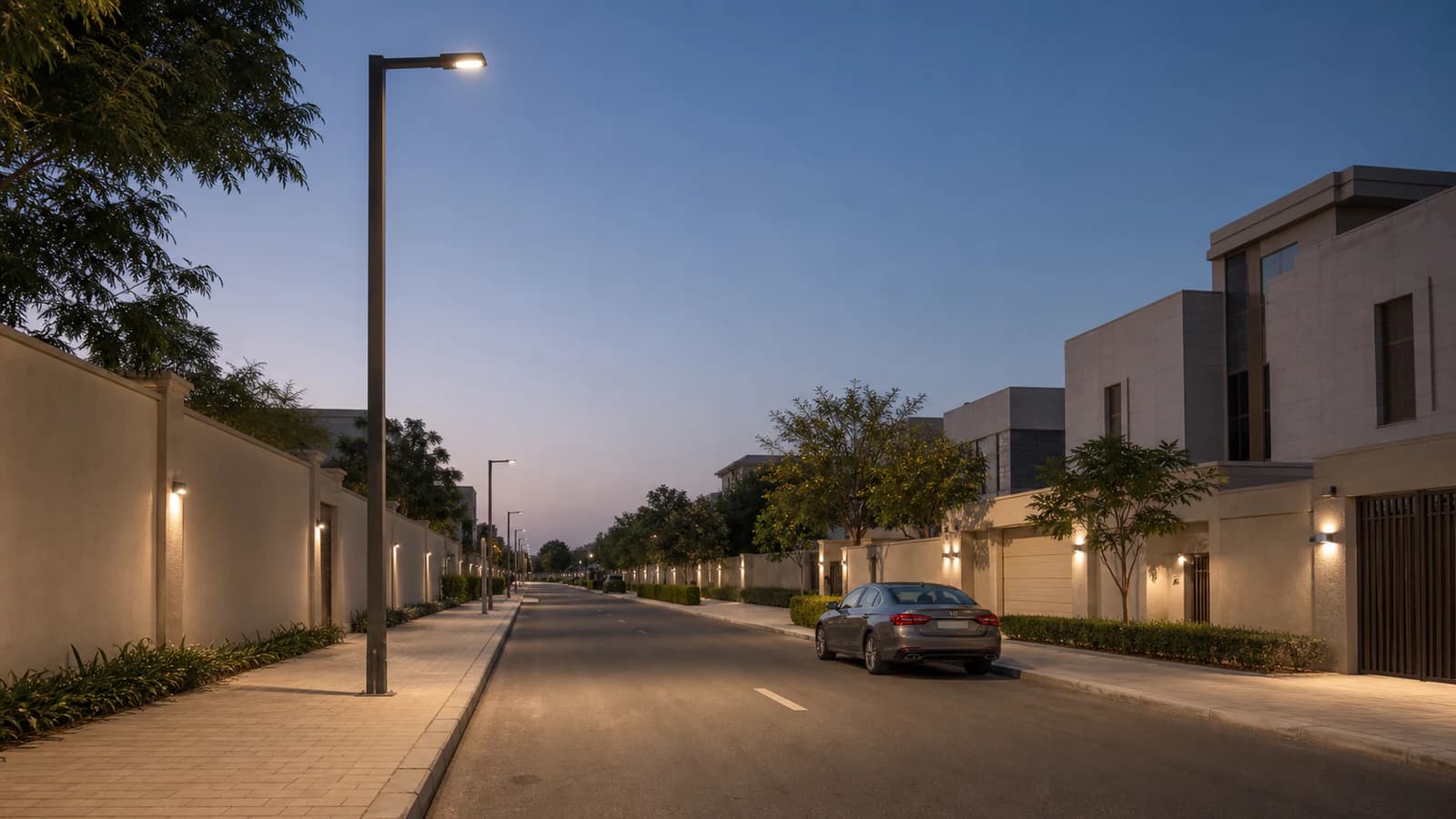
Application frame
Use the application list to describe geometry, environment, controls and required product documents.
2 outdoor models
Compare form factor and application, then confirm the exact configuration in the RFQ.
YY-HLD-G108
Street LightingAuthorized bridge or circulation-lighting model for project-based configuration review.
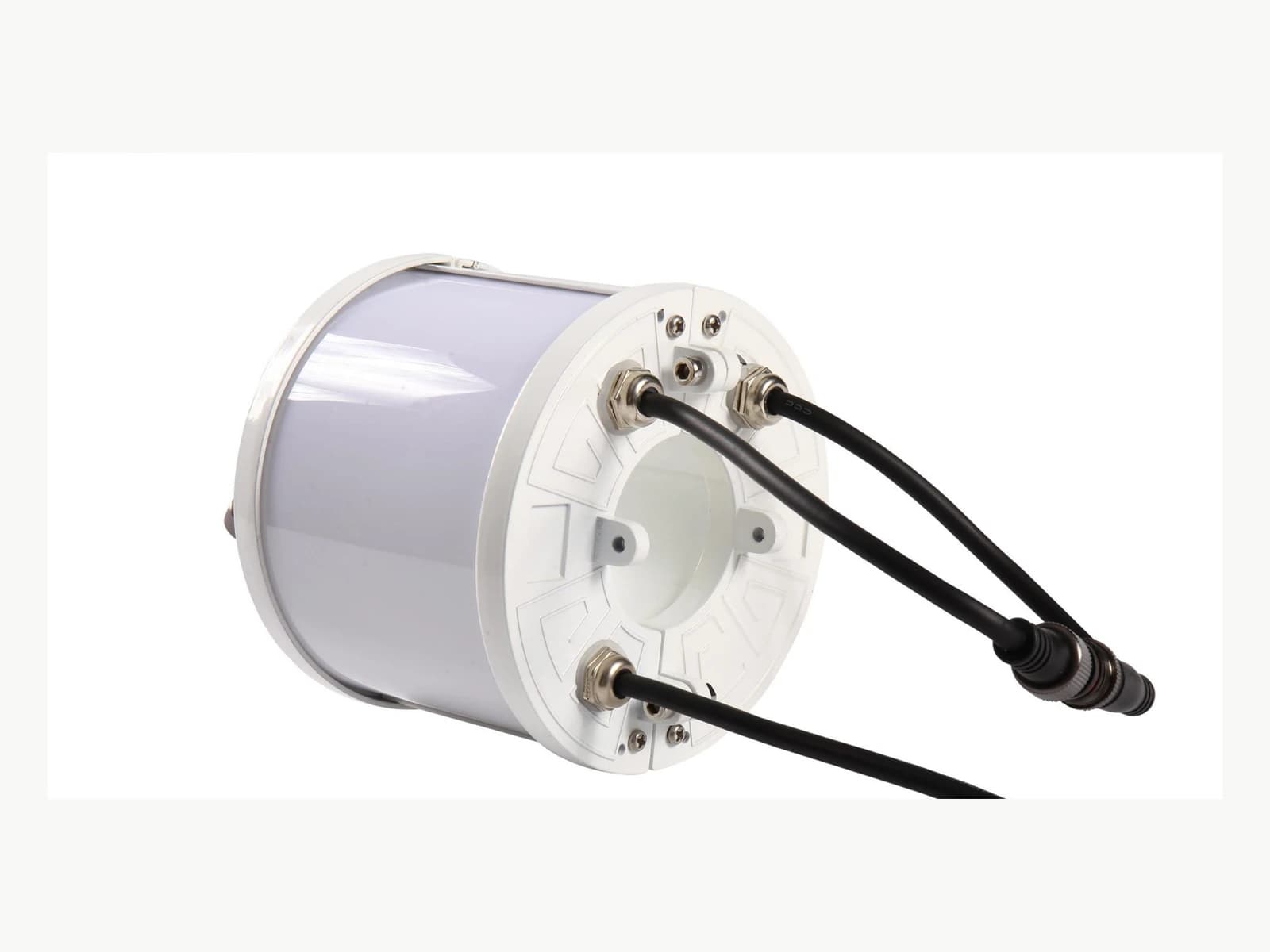
YY-LSD-G155
Street LightingAuthorized bridge or circulation-lighting model for project-based configuration review.
GCC environment checklist
Match the exact model and installation to the real operating environment.
Common questions
Practical answers for product selection, quotation and project coordination.
No. The responsible designer must define the road and approval criteria, then photometric evidence is checked for a named candidate.
Send road geometry and class, pole height and spacing, mounting arm, target distribution, voltage, surge and controls criteria, and required calculation or approval files.